
Now in its fourth year, the RoleCall Talent Attraction Summit is coming to Buffalo this week, with more than 50 talent attraction and economic development professionals ready to experience the city and learn about the work being done to promote it.
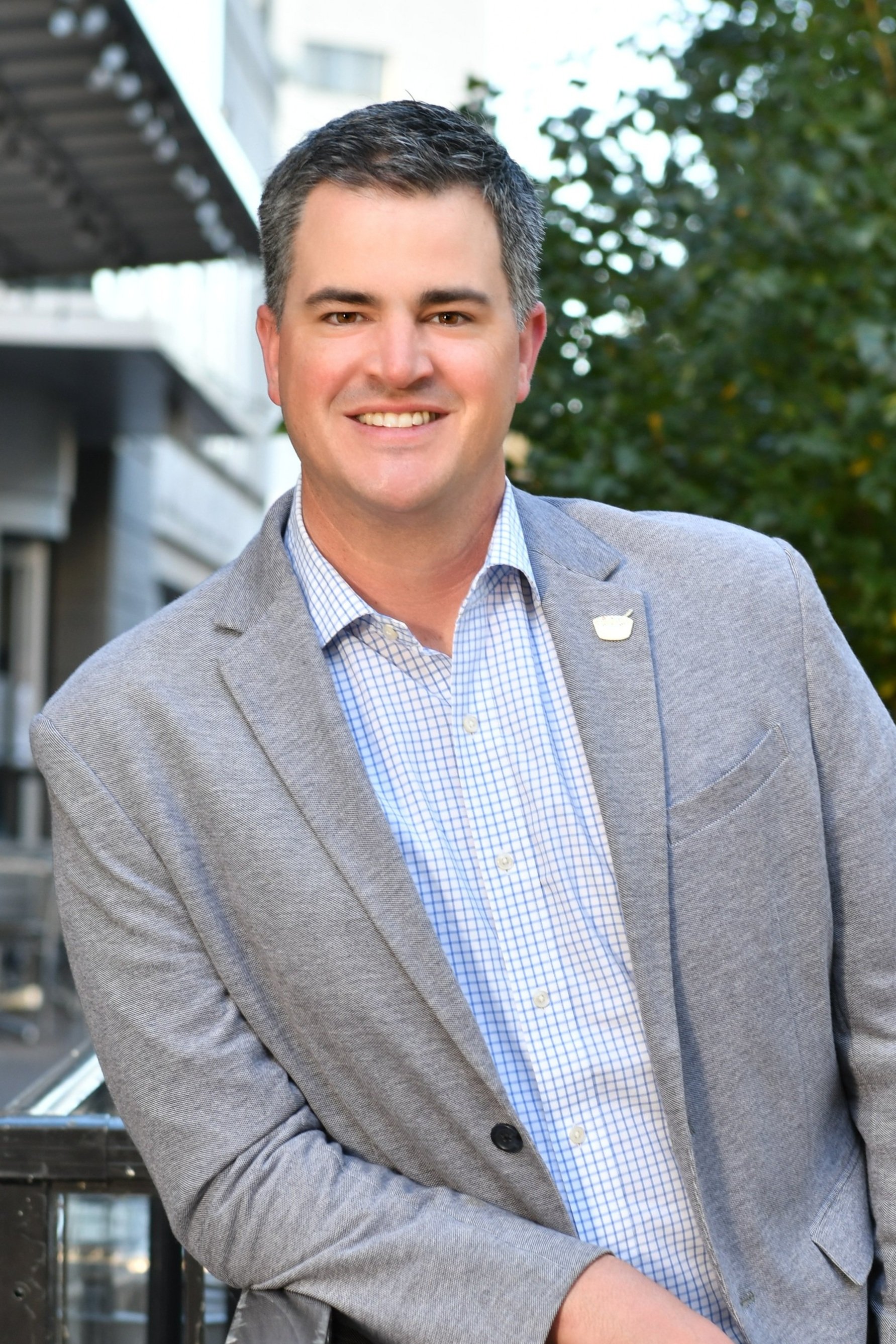
Tim Carty started RoleCall in 2020 based on the "capture and nurture" talent tools he developed while working in community and economic development in Iowa.
The idea was to create a playbook for talent attraction professionals across the U.S., helping them showcase the unique attributes and advantages of a given place.
Over the years, Carty and his colleagues noticed that their clients belonged to a distinctive national tribe.
What if, they asked, they were brought together each year to share what's new, what's working and what's become passé?
Now in its fourth year, the RoleCall Talent Attraction Summit is coming to Buffalo this week, with more than 50 talent attraction and economic development professionals ready to experience the city and learn about the work being done to promote it.
Ahead of the conference, Carty spoke with Series B about talent attraction, Buffalo and the future of the industry.
What is RoleCall, and what problem are you trying to solve?
RoleCall started as a talent attraction platform. We noticed a gap in how cities communicated that they were great places to live and work. They were using Instagram and LinkedIn, and hoping people would see a blog post or video and decide to move.
Our early concept, which is still our flagship offering, was to create elite capture-and-nurture tools that treat people like real candidates instead of simply hoping they arrive on their own. We think of talent attraction as a journey with wraparound services that help turn people into engaged citizens of a place.
We do this work because people need great places to live. We work with communities across the country and help them communicate what makes their place unique.
Where does this conference fit into that strategy?
When you attend a large economic development conference, most topics get broad treatment. Talent attraction or workforce retention might be covered by a single panel during an entire week. The people we work with kept telling us, "They don't cover the things we care about."
Our summit is the opposite. It's an inch wide and a mile deep, focused entirely on talent. We look at it through the lens of workforce development, marketing, housing, childcare and, this year, AI. It gives people working in talent attraction a place to immerse themselves in the work alongside colleagues from around the country.
The second reason is that bringing these professionals together creates opportunities to share ideas and solve problems. People genuinely look forward to seeing each other each year and welcoming new members into a community that cares deeply about their cities.
How did Buffalo first get on your radar?
We started working with Invest Buffalo Niagara several years ago through the Be in Buffalo initiative.
We had the opportunity to work closely with leaders including Greg Pokriki, (now director of communications and engagement at TechBuffalo), and Rob Leteste (vice president of talent and sector strategy at Invest Buffalo Niagara). Together, they built one of the most thoughtful and sophisticated talent attraction programs we've seen.
Buffalo stood out because there was real collaboration behind the work. It was intentional and coordinated.
What trends are you seeing nationally in talent attraction?
Figuring out how to thoughtfully embrace AI is a major theme. One of the things we're focused on is maintaining the human connection between a candidate and a place. AI can help us be smarter, better and more efficient, but ultimately it's a tool that should strengthen human relationships, not replace them.
Retaining college students is also becoming even more important. As economic conditions shift, people may have fewer resources to relocate and fewer opportunities to make a move.
Communities are asking how they can convince students to stay after graduation. How do you show them that they don't need to move to New York, Boston or Chicago? How do you help them see that the place they've come to know during college can also be a place to build a career and a life?
There are also broader issues shaping the conversation. Childcare, housing and cost of living all play a major role in talent decisions. Those are exactly the kinds of topics we discuss at the summit so we can stay on the cutting edge of what's happening across the country.



.png)