Thinking about the nature of an incredible turnaround and what it means about working as a team.
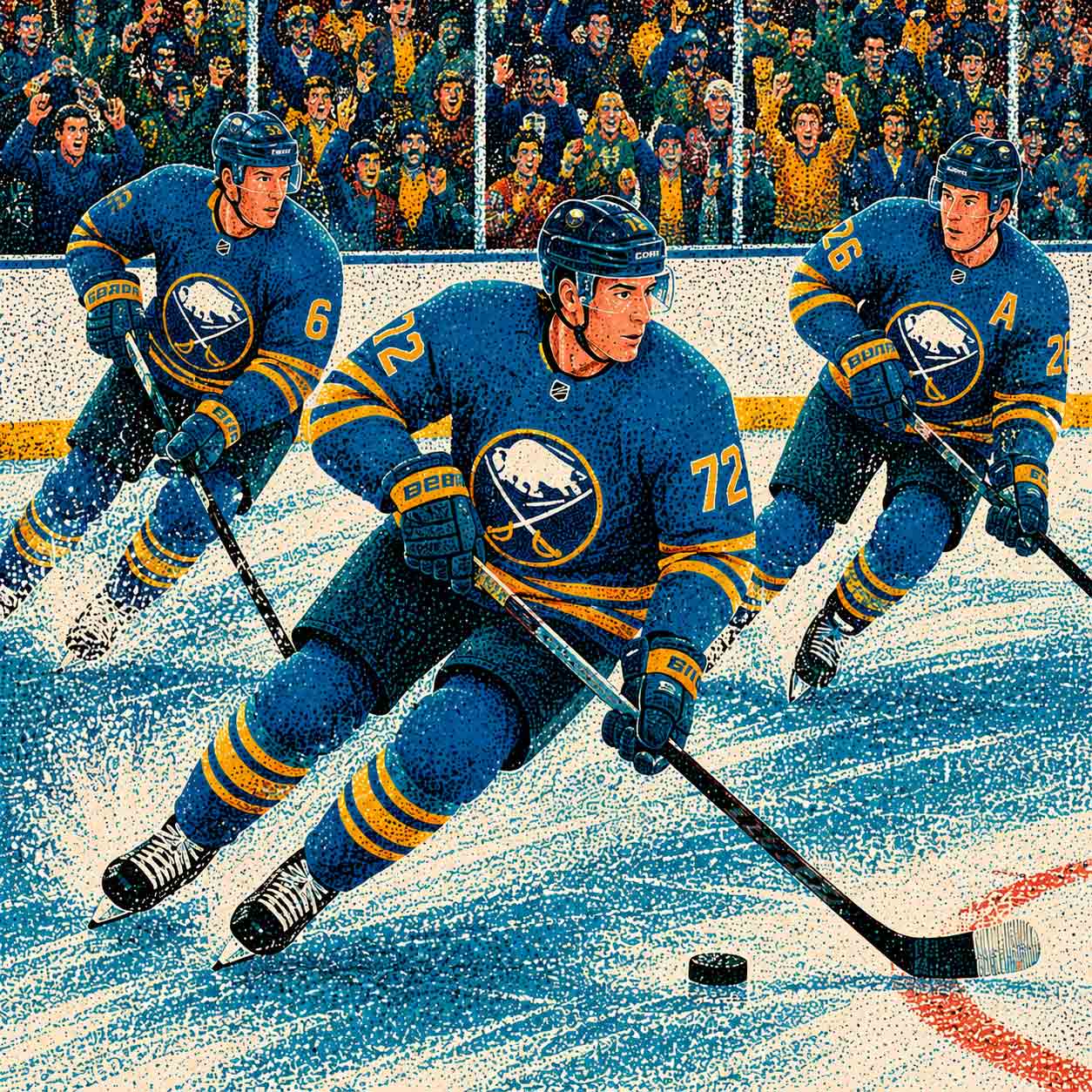
What’s fascinating about this Buffalo Sabres season is that the turnaround wasn’t really driven by some outrageous roster overhaul. In December, they were sitting at 14-14-4 and looked like the same frustrating team Buffalo fans have watched for years.
Then the team went on an absurd 32-6-2 stretch and ultimately finished 50-23-9, winning the Atlantic Division for the first time in over fifteen years.
The team was the same. The outcomes were extremely different.
This has prompted an interesting conversation in the community about leadership, luck and coincidence.
For those who don’t know, the shift coincided with the December firing of longtime general manager Kevyn Adams, with Jarmo Kekalainen installed as the new GM. But Kekalainen did not make any meaningful changes to the roster. He was just…there.
Did he get lucky? Or was his sense of leadership, and the expectations he was setting, the context to finally get the most out of the Sabres talent?
Here’s what I saw: faster puck movement, faster decisions, players attacking with a sense of trust in one another.
I saw a team started believing in their abilities and in each other.
This is an interesting case study for the business world, and it’s something I’ve been thinking about in my work at Radial Ventures.
Most legacy businesses companies think this big AI shift is about using all the tools. They think it’s about faster writing, better analysis, etc.
It’s not.
Technology is collapsing the talent stack — the cost of creating, analyzing, coding, synthesizing, and iterating. At Radial, outcomes that once took hours of input now happen at the speed of conversation.
The question is no longer whether we can work fast. It’s about learning how to harness that speed.
The companies pulling ahead feel different internally. Smaller groups will make bigger decisions. Work will move continuously. It will require a sense of anticipation and shared awareness.
Winning teams won’t necessarily have the smartest individual people. They’ll have groups that move information faster. They’ll have people that trust each other enough to make quicker decisions.
They’ll have pace, chemistry and trust.
If you wait for the moment to make a perfect pass, you just might hold the puck too long. The other team will take it away. They’ll be ones creating offense.
That was the shift the Sabres made to change their trajectory.
Until next year - Go Sabres.