ACV Auctions has assembled an eclectic R&D team to push the boundaries of AI, engineering and automotive technology.
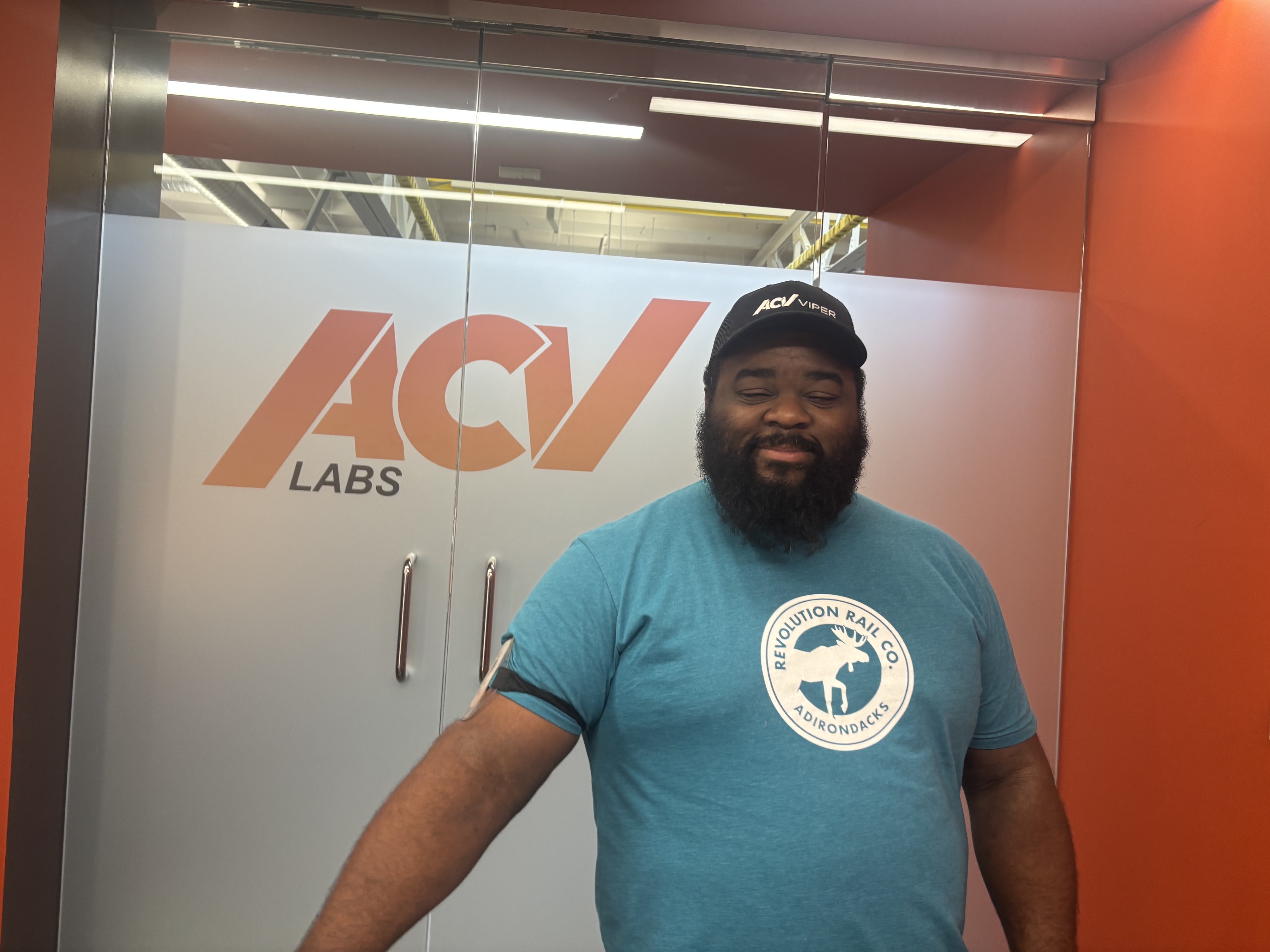
Lavante Belgrave started his career welding forklifts.
He moved into leadership and spent years running factory floors before his Buffalo-area employer announced it was shutting down.
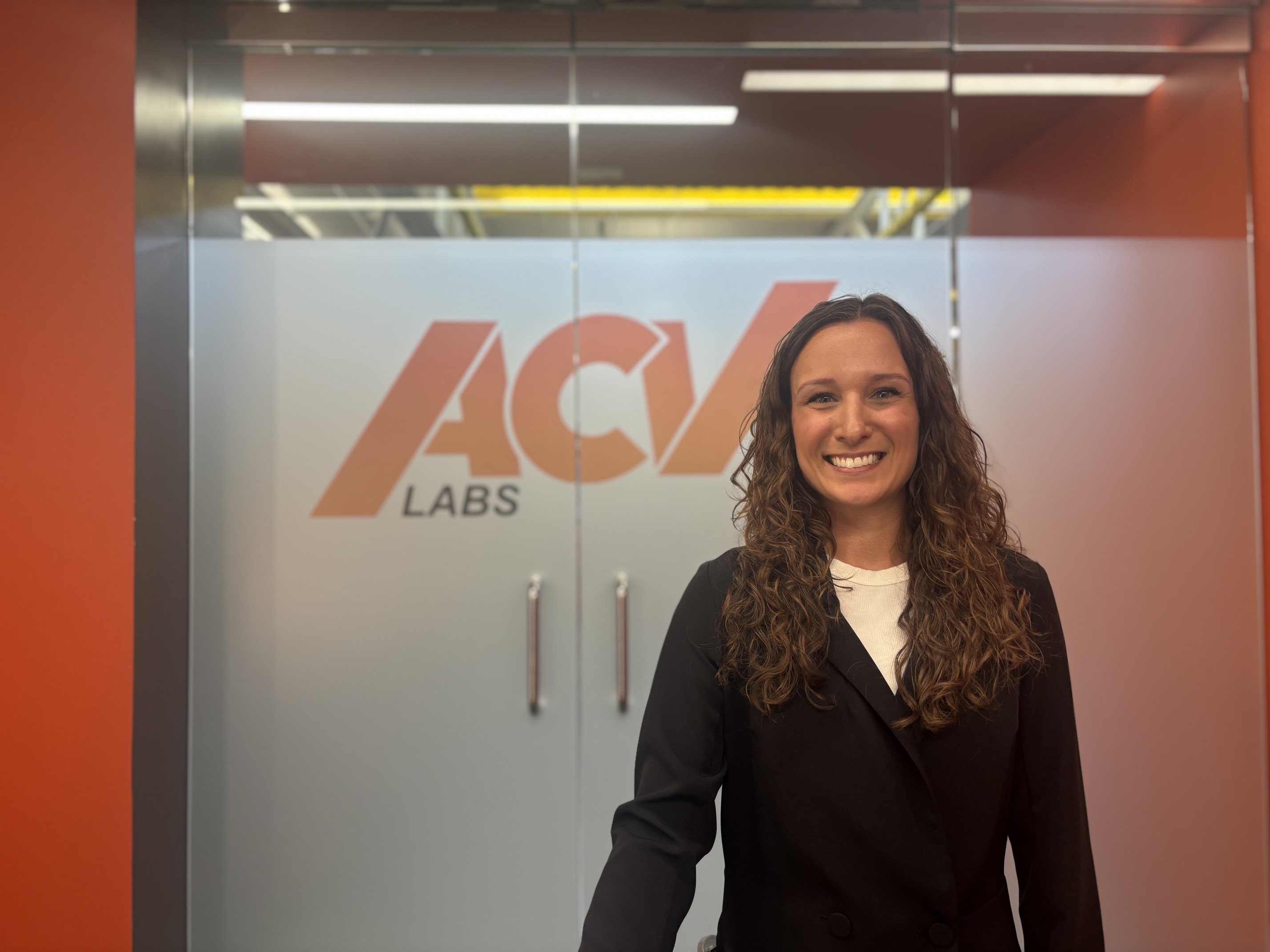
Courtney Wolff studied biomedical engineering and dance at the University at Buffalo, then went to work for Qualcomm.
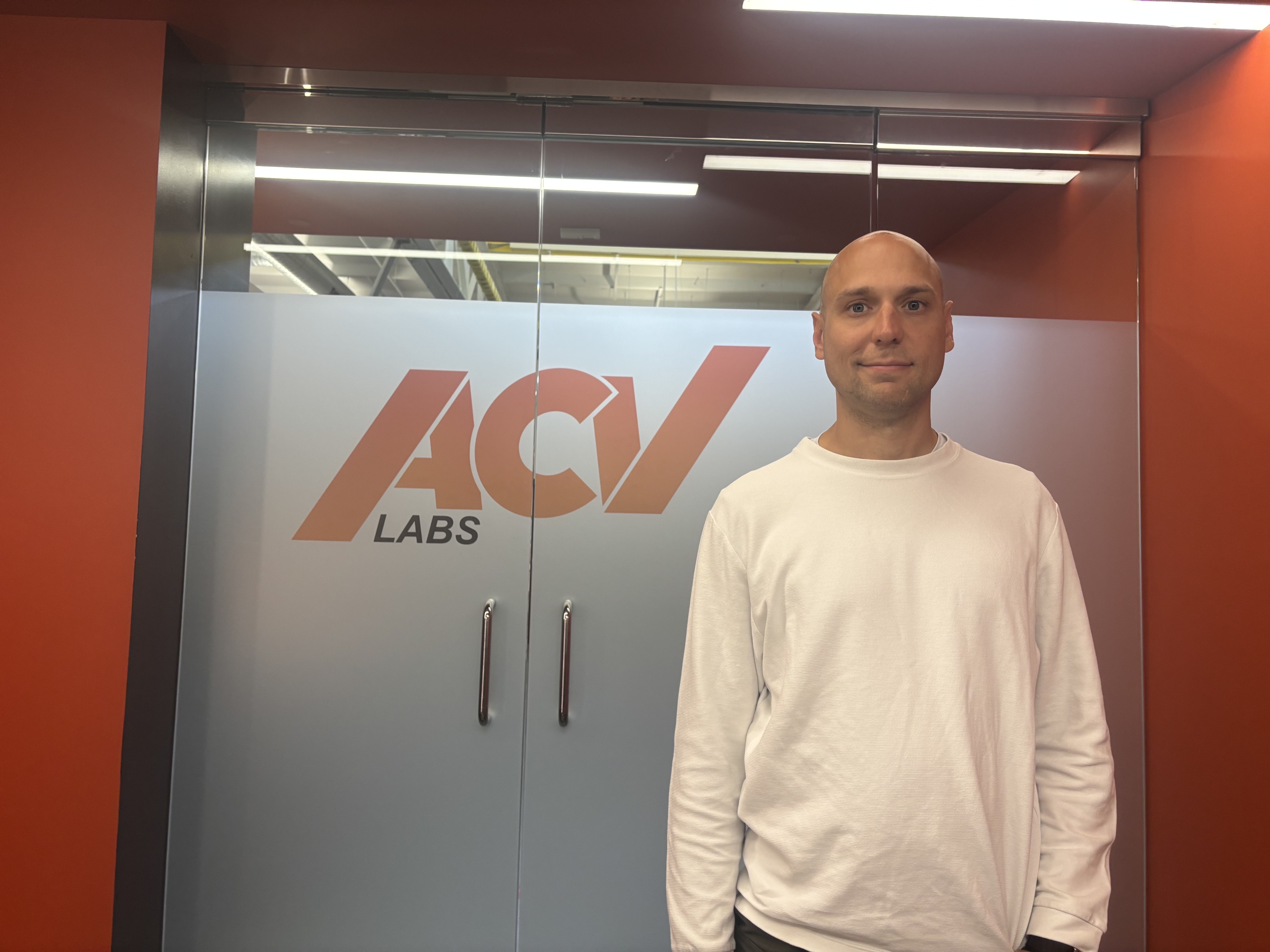
Phil Schneider was finishing his PhD at UB when his employer asked him to relocate. Schneider had reached one of those moments when talented young people often decide they need to leave Buffalo to pursue their careers.
He decided to stay and find his opportunity here instead. That led him to ACV Auctions and his current role as VP of research and development.
Today, all three are part of ACV Labs, a roughly 35-person research-and-development team inside the Buffalo-based automotive technology company.
They work alongside a PhD bioengineer developing new ways to diagnose transmission problems. A neuroscientist specializing in artificial intelligence. Physicists, engineers, builders and technologists with all kinds of backgrounds.
This is the skunkworks inside one of Buffalo's most important technology companies, with a broad mandate to develop the products and technologies that keep ACV ahead of its competition.
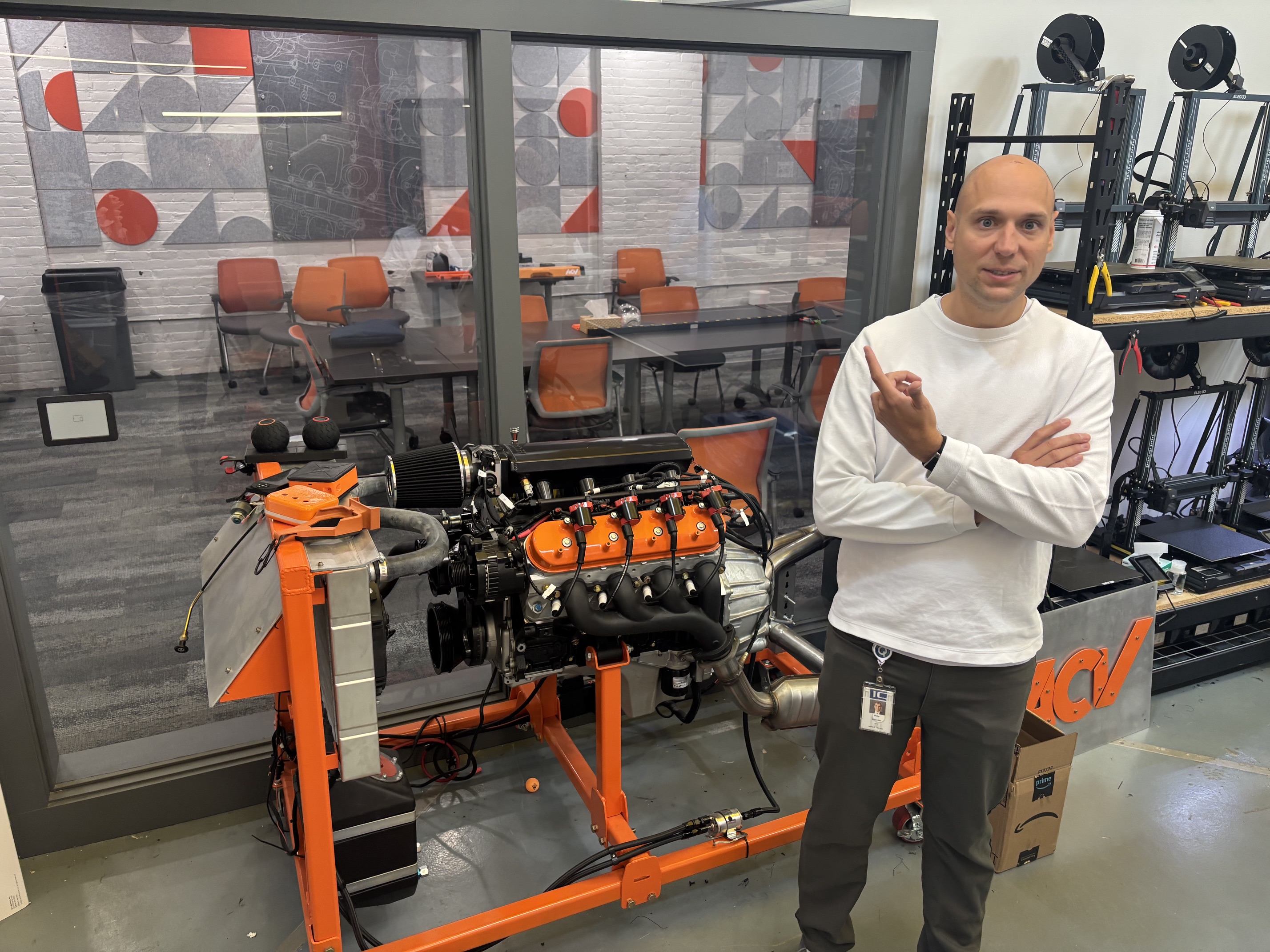
That means some seriously sophisticated work is happening here in Buffalo: artificial intelligence, computer vision, advanced sensors, hardware engineering and entirely new ways of collecting and interpreting data from vehicles.
ACV Labs gets to think about the future. Like, for instance, what if a computer could smell a car and infer its condition?
In February, ACV used the occasion of the National Automobile Dealers Association’s annual conference to unveil VIPER, a major new product that had been years in the making.
The system uses physical towers, computer vision and artificial intelligence to analyze vehicles as they move through dealership service lanes, helping dealers quickly identify cars they may want to acquire.
ACV believes VIPER has the potential to become a flagship product, extending the company’s technology and data deeper into the daily operations of its customers.
It started inside ACV Labs.
Schneider sees VIPER as a multiplier for the broader company: a physical product that combines ACV’s hardware, data and artificial intelligence with the marketplace and other tools it has spent years building.
“We’re not meant to take on solvable projects that anyone can solve,” Schneider said. “We’re here to take on the big stuff.”
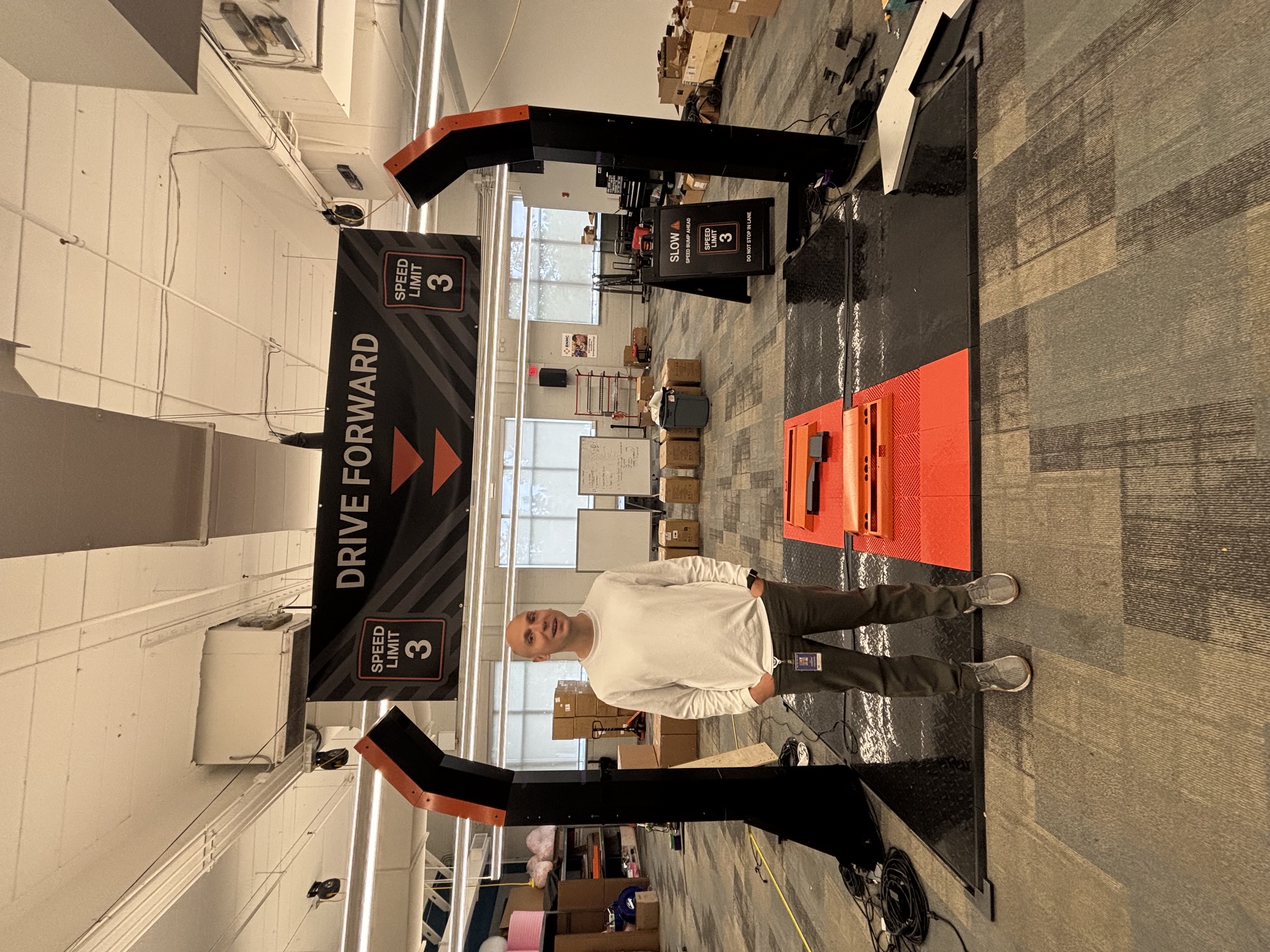
VIPER is also a useful window into what ACV Labs is designed to do.
The team works across hardware, artificial intelligence, computer vision and data, pursuing ideas that range from near-term opportunities to longer-term bets. The projects vary, but the ambition is consistent: solve difficult problems that can give ACV a strategic advantage.
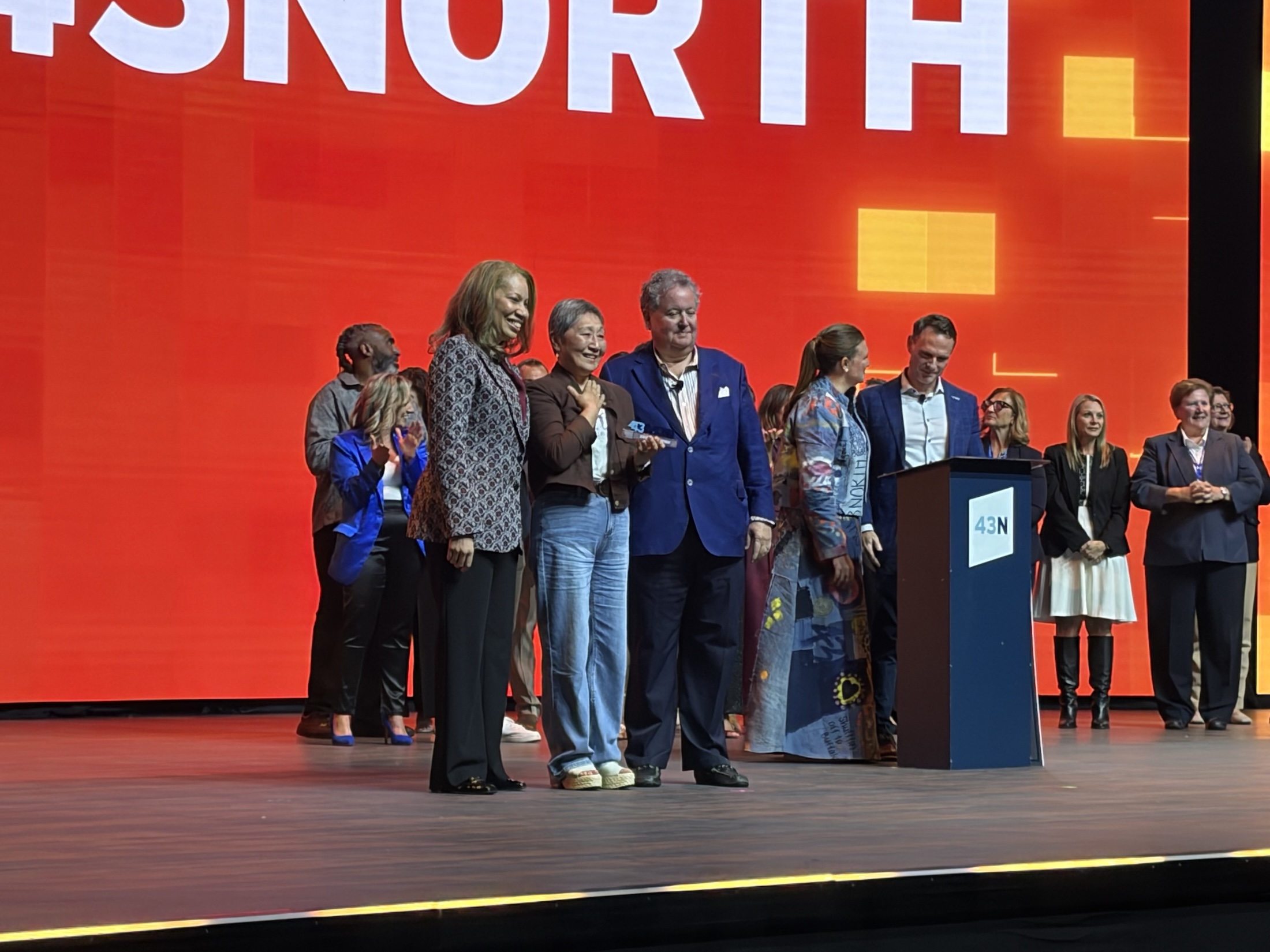
ACV Auctions was started by Joseph Neiman, Dan Magnuszewski and Jack Greco in 2014, won $1 million in the 43North competition and ended up going public in 2021. The $3.8 billion IPO was a seismic event in Buffalo, minting new millionaires and proving that venture-scale tech could come full circle here. The company still has more than 600 local employees, mostly working out of its downtown Buffalo HQ.
Schneider was one of the founding members of ACV's R&D operation about seven-and-a-half years ago. R&D has evolved since then and shifted places several times, but now it’s rooted in the former d!g space in the Innovation Center, which doubles as ACV’s headquarters.
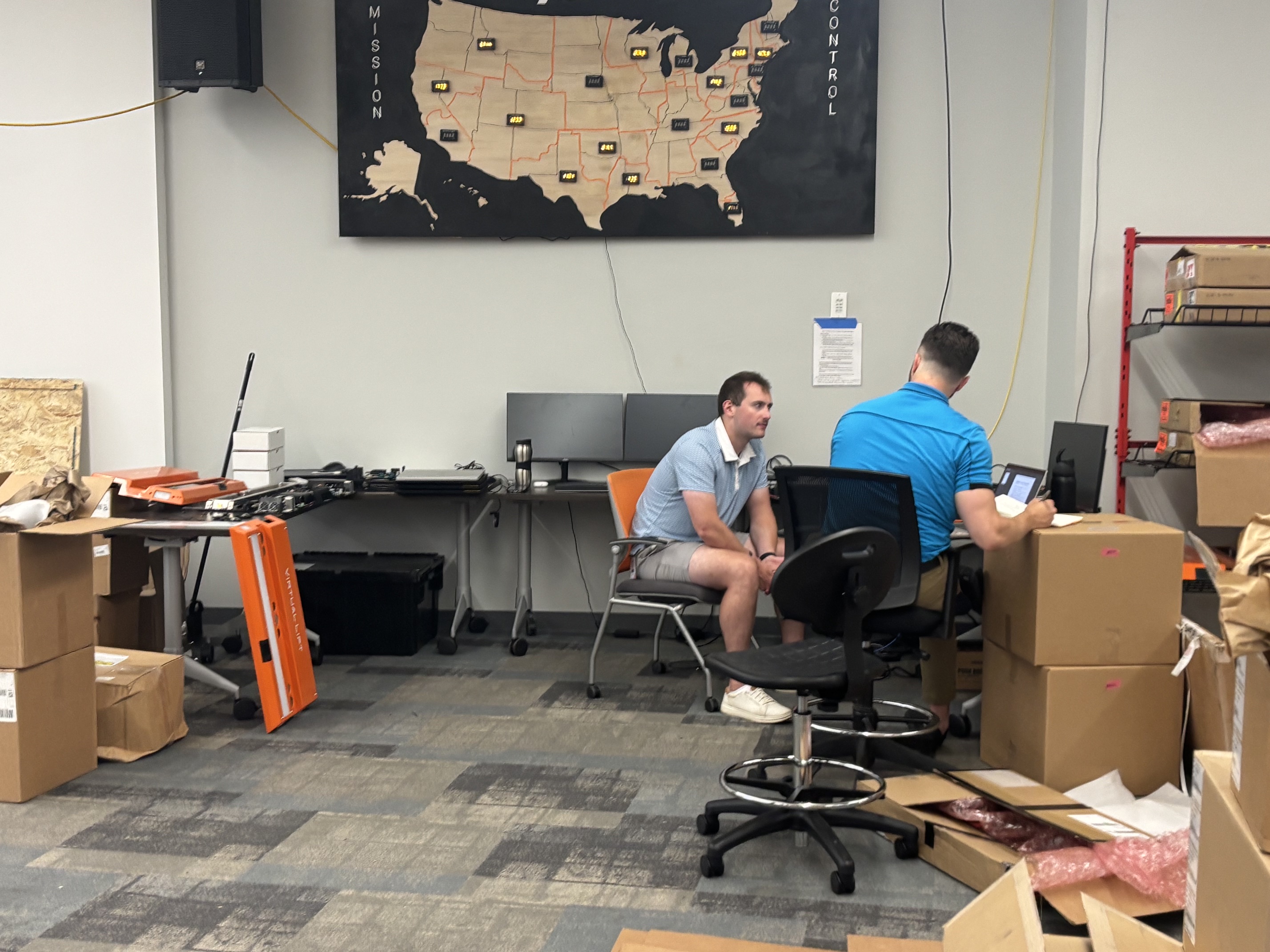
Labs members have significant freedom to look across ACV, identify big problems and attack them.
There are no admins — each member works on mission-critical projects and is expected to take ownership.
Schneider sometimes tries to scare prospective hires away by explaining how much responsibility they'll have. Some recoil. With others, he can see their eyes light up.
Those are usually the people ACV Labs wants.
The team balances longer-term moonshots with technology that can make an impact today. And it's encouraged to ask a question that can be uncomfortable inside successful companies:
What could disrupt ACV? Then go build it first.
Consider a fundamental challenge ACV faced as it moved wholesale car auctions online.
At a physical auction, a dealer could experience the vehicle. Walk around it. Look underneath it. Listen to the engine. Kick the tires.
Some of that disappeared in a digital marketplace.
So ACV started figuring out how to put it back.
Its AMP technology captured the sound of an engine so a prospective buyer could listen remotely.
Then ACV went further. Artificial intelligence allowed ACV to begin interpreting the data it was collecting, helping identify potential problems such as an engine knock.
The questions kept coming.
Could technology see what a person sees? Feel a vehicle's vibration? Understand what's happening underneath it? Even quantify smell?
Sensors turn those physical characteristics into data. AI finds patterns in that data. And every vehicle ACV encounters adds to a growing body of information.
ACV Labs is quantifying the senses.
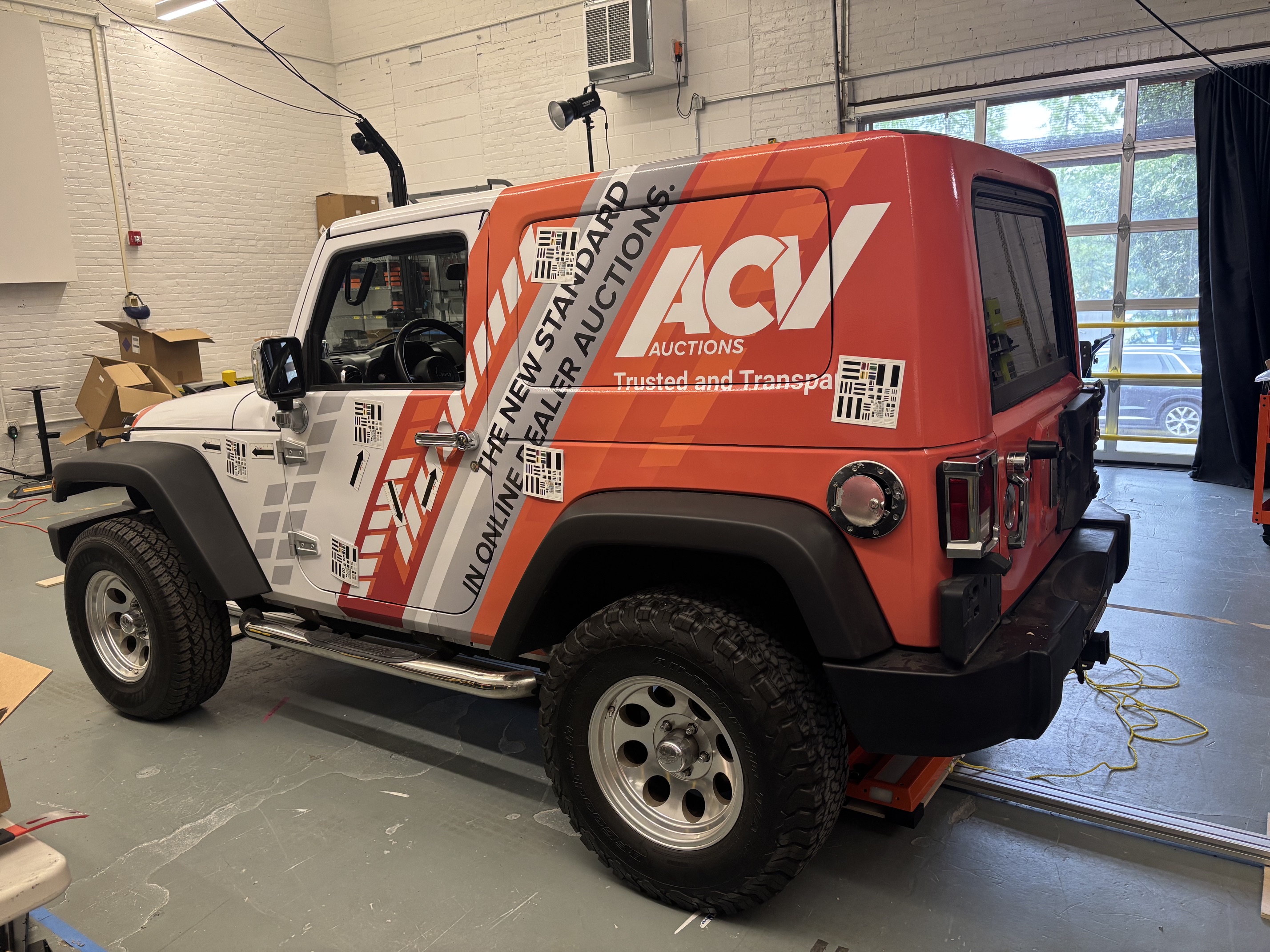
Belgrave joined ACV Labs in April 2025, after learning that the manufacturing plant where he worked would close.
The transition was jarring.
He had spent his career in structured manufacturing environments. At ACV Labs, he found himself encouraged to offer ideas, experiment and watch some of those ideas become part of VIPER.
He calls the environment “comfortably uncomfortable.”
“I had the freedom to try different things and see if it works,” Belgrave said.
Wolff arrived around the same time, initially helping the team figure out how to get VIPER out the door and installed in real dealership service bays. She has since moved deeper into research.
“I love the constant change of pace here,” Wolff said. “Sometimes it's a lot, but I like putting on those different hats.”
ACV Labs continues to find people like them in Western New York, including through UB's Blackstone LaunchPad and the Western New York Prosperity Fellowship.
Schneider remains slightly, and proudly, paranoid about what's next. He considers that healthy, especially as artificial intelligence accelerates the pace of technological change.
“We have to be innovative,” he said. “We have to be different and we have to be unique>”
Seven-and-a-half years ago, Schneider went looking for a career that would allow him to stay in Buffalo.
A place, as he puts it, where talented people can see “a home, a future, a career path here to greatness.”
And then get to work building what's next.