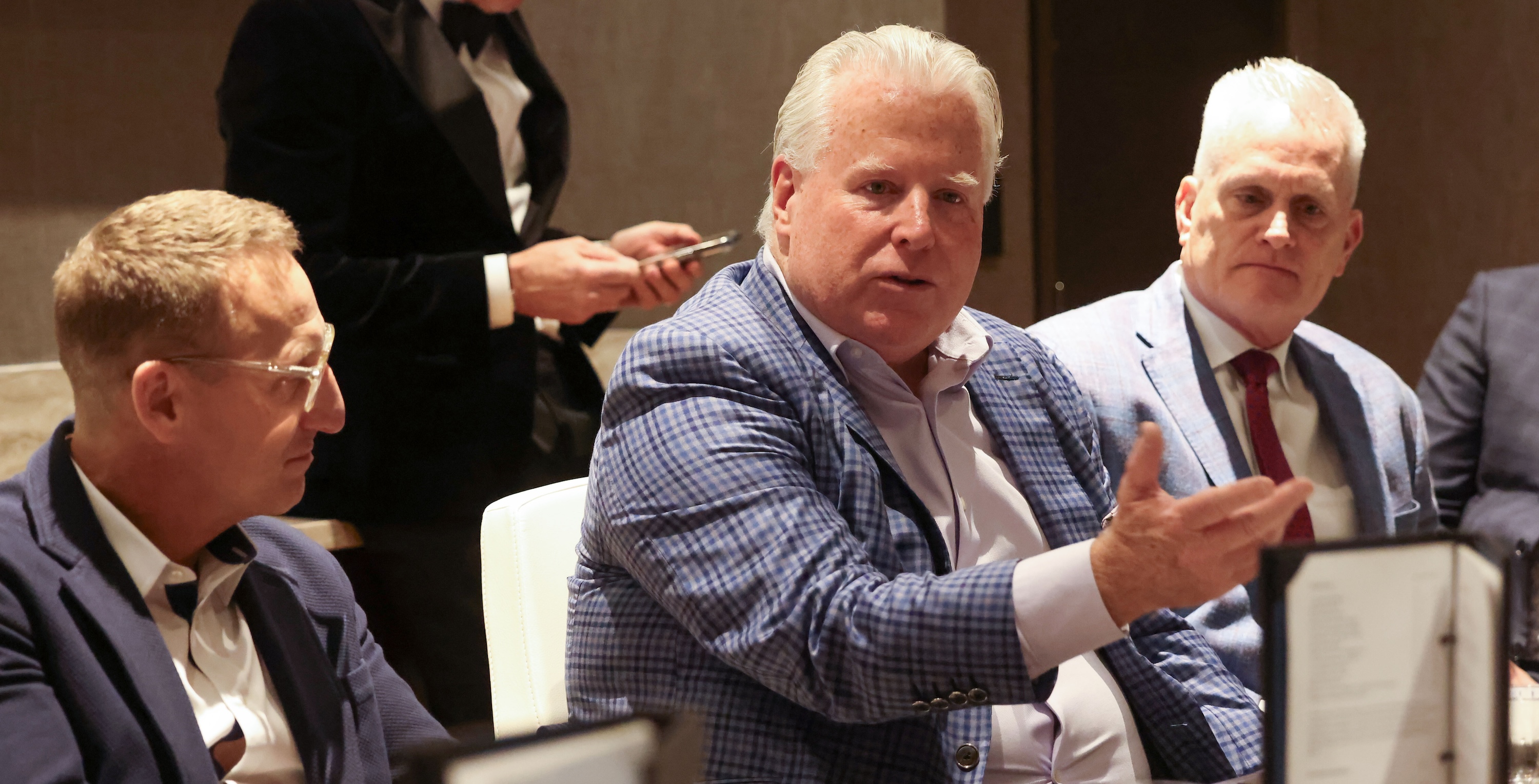
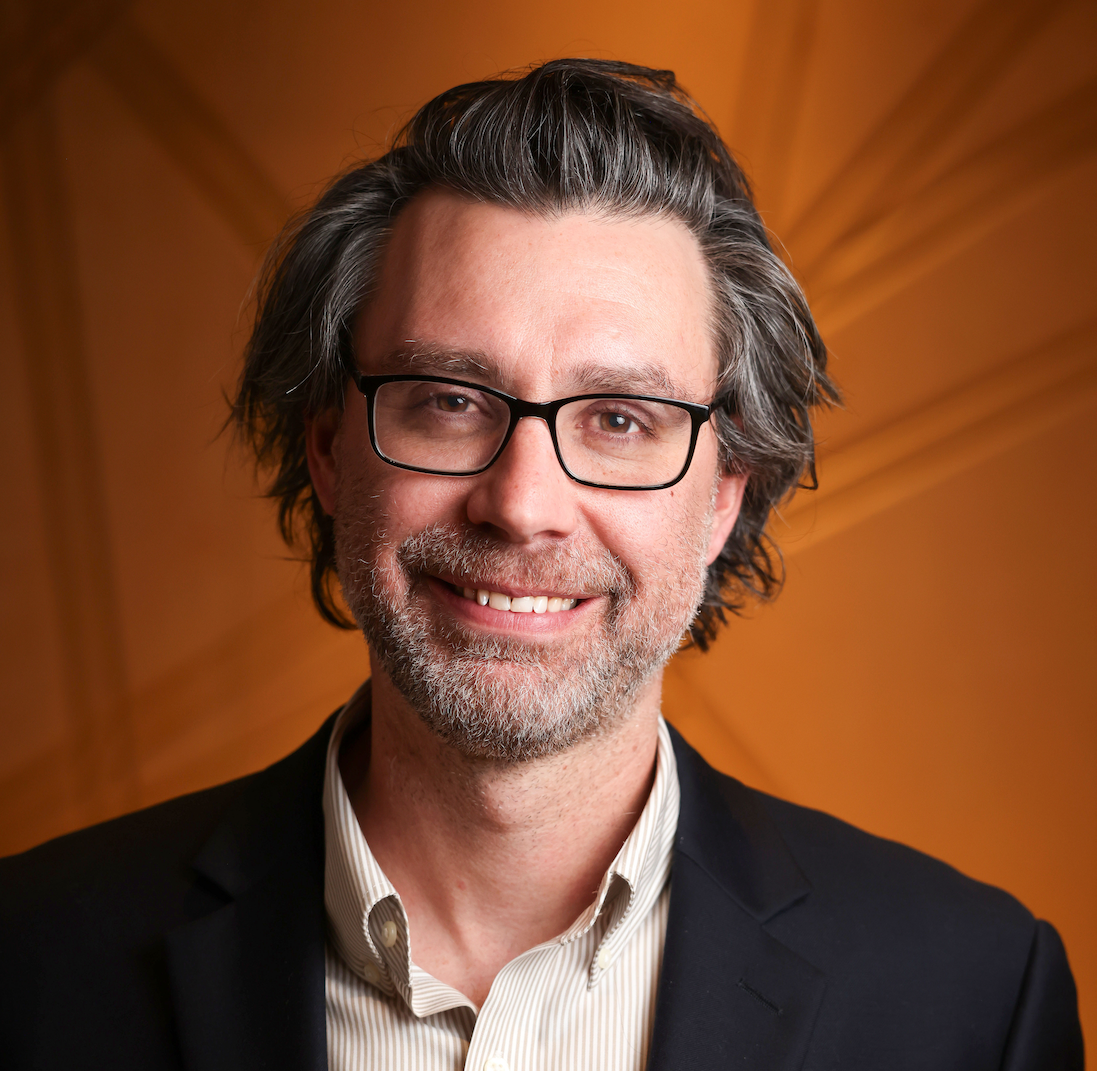
Mike Sullivan grew up in South Buffalo, went to Nichols and then – like his siblings, his high school friends and countless of this city’s native sons and daughters – left without ever planning to come back.
The pathway took him to Amherst College for a bachelor’s, George Mason University for an MBA and then a career as a MassMutual sales exec.
By 2000, he ended up as the cofounder of a dot-com era startup that raised money and then hung on for dear life when the bubble broke.
That company, OneDigital, survived, then thrived, then exploded. It now does between 20-30 acquisitions a year and was recently valued at $7 billion in a transaction led by Stone Point Capital and the Canada Pension Plan.
Success in hand, Sullivan’s relationship to Buffalo was this: he was one of many northern Virginia transplants who mostly saw the region through the warm prism of childhood memories.
Then Sullivan’s wife, Patty, approached him a few years ago with some news. They were going to buy a house on Lake Erie, just south of Buffalo, in close proximity to the family that remained.
“We went from being occasional visitors to having it be home,” Sullivan said. “Once you make that leap, you start thinking about the possibilities and how many folks there are just like us.”
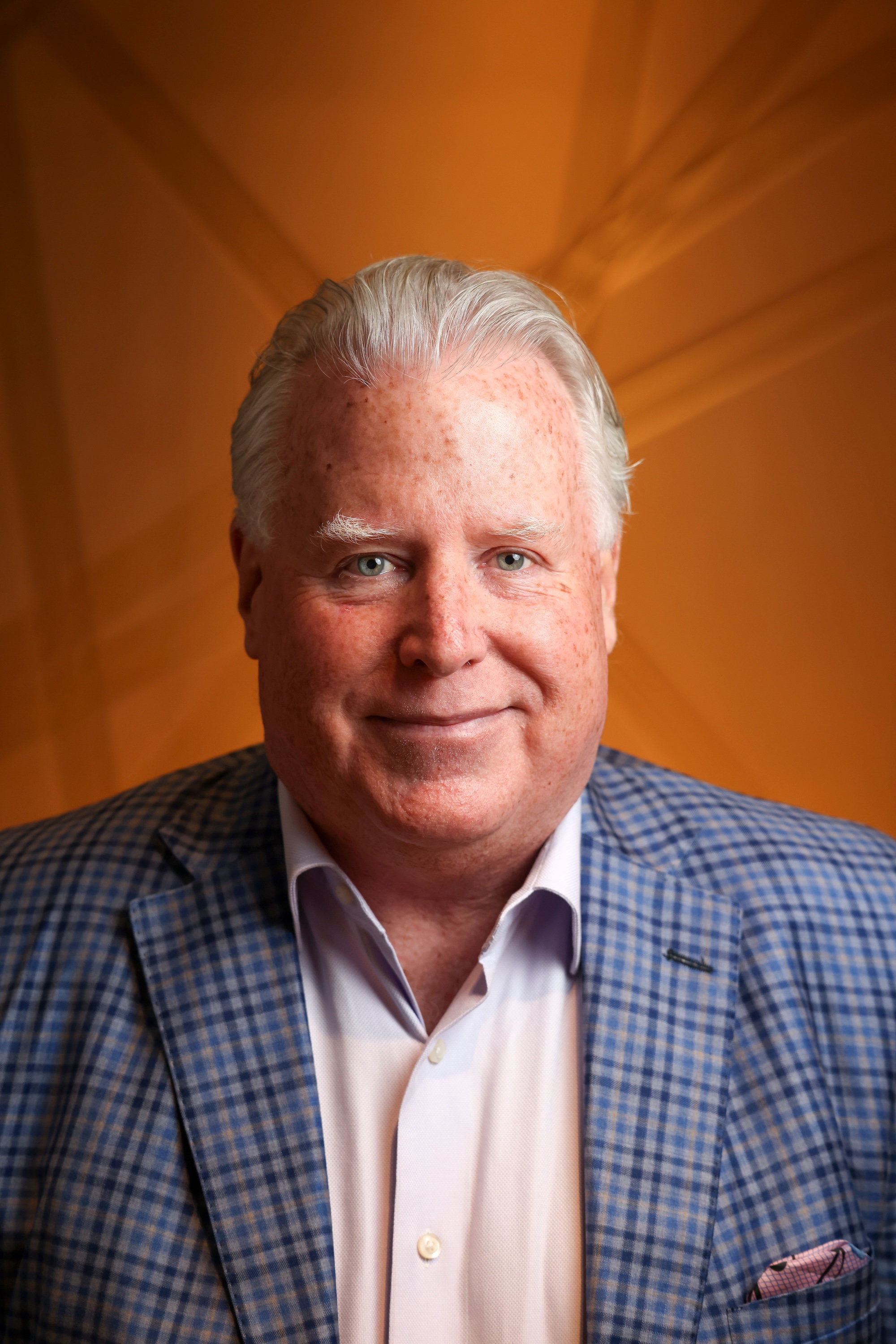
Sullivan’s network of Buffalo ex-pats who followed a similar journey, all the way to the late stages of successful careers, numbers in the dozens.
Approximately 100,000 people graduate from an Erie County high school every decade. That’s a lot of expats. A lot of concentric circles. A lot of networks like the ones in which Sullivan runs.
How do we unleash the raw horsepower of the Buffalo diaspora? That is the burning question, as Sullivan ponders what it means to effectively reinvest in his hometown.
His eyes are open, His ears are to the ground. He’s looking to find that thing that feels right, with co-investors of like mind, and most of all a clear target for what we’re all trying to accomplish.
Tell me how someone like you looks at a place like Buffalo.
Building OneDigital has positioned me to spend an entire career traveling the country and forced me to understand the business dynamics in almost every major market in the country.
I’m very early into this, but one of my questions is, ‘What are the best opportunities in a population of 300,000 people, who’ve gone through what Buffalo’s gone through?’
I will tell you that when you go away for so long and then come back, you can see and feel the progress that Buffalo has made. Twenty years ago, we’d come back and the city felt worn, the cars were old and the town was tired. I remember telling my wife, ‘I would never come back. The Buffalo I knew is gone.’
But now, there’s a vibe. There is a hometown feel and a quaint element to Buffalo. It’s a city that is trying to find its next inflection point of growth.
You and many people you know love Buffalo. Tell me about their relationship with this city.
There are a lot of people like myself, like my brothers, who left but still have family back in Buffalo. I don’t think you’re recruiting a lot of people here who’ve left and really turned the page, but when you still have a family connection here it’s different. So once Patty pushed to buy a home here and planted that seed, then it’s like, ‘How else can you get involved in the community when you’ve experienced a lot and you feel like the city’s ready to take its next jump?’
The most important thing, from my perspective, is that I would love to find the next 50 to 100 people who are just like us, who are trying to find an entry point but don’t want to do it alone.
If you go on the assumption there are plenty more people like the Sullivan family, we need to figure out how to find each other and coordinate.
Tell me more about the symbolic importance of downtown.
The people who I still know who have roots here, we spend time talking about the importance of bringing vibrancy and residential dynamics to the city. To me that is a big part of what’s missing. You go to other major cities and go downtown and there is a vibrancy that is tied to their residential core that allows downtown to become a destination, so it’s not just about going to a Sabres game.
So when I hear plans for projects such as the Golisano Institute (currently renovating the former Buffalo News building) or potential developments to bring more residential downtown, that could be hugely appealing.
Right now, I’m looking for a vision of what’s going to be built downtown. If that vision is presented like you’re selling a product, and it’s presented to my brothers and I as something we can get in early and become part of this gem of a downtown where you can walk to a Sarbes game, you can do different things and know that it’s safe, clean and cool, I can see how that would come together. We’d be first in line.
You’ve publicly stated you want to invest in Buffalo. What are the next steps?
We need more coordination. I was randomly intro’d to someone and all of a sudden I was being interviewed for (this article in Buffalo Business First). I put myself out there and it became an entry point for many interesting conversations.
But if that had not happened, then it’s hard to find an entry point to these kind of conversations. You don’t know where to go and nobody knows you're out there.
We are a pro-growth, pro-Buffalo, pro figure-it-out group of people and I know there are many more like us who just don’t have that entry point. We need to think of this the way universities think of alumni.
How do we tap into this good feeling of everyone out there who has done well, has family back in Buffalo and would think about buying a place in a vibrant new downtown? For us, it started as a summer home. Now we’re here all the time.